Digital investing platforms are not interchangeable. The useful first decision is whether you want a managed portfolio or the responsibility of choosing investments yourself. From there, compare the complete published cost, the accounts you can use and the limits that matter to you. This is general information, not personal financial, tax or legal advice. Your capital is at risk.
How We Compare UK Digital Investment Platforms
This guide compares documented information rather than naming a universal winner. The framework is deliberately practical: management model, published charges, account types, funding or eligibility terms where disclosed, and service boundaries. A platform may suit a hands-off investor but not someone who wants to select ETFs; the reverse can also be true.
The shortlist draws on primary provider material and independent editorial context. Provider pages are useful for current descriptions of charges and accounts, while independent reporting helps explain the difference between robo-advice and DIY investing. Published terms can change, so verify the current provider documentation before opening or transferring an account.
Investment returns are not guaranteed, and a platform comparison cannot determine what is right for an individual. Tax treatment depends on personal circumstances and may change. If you need a recommendation tailored to your finances, consider regulated financial advice.
Verdict: Choose the Platform Model Before the Brand
For a DIY ETF investor focused on a low published platform charge, InvestEngine is a clear model to investigate: it states that its DIY service has no InvestEngine fee, while ETF costs and market spread still apply. Its managed option is a different proposition, with a stated 0.25% annual InvestEngine fee in addition to ETF costs and market spread.
For readers who prefer delegation, Wealthify, Moneyfarm and J.P. Morgan Personal Investing are better treated as managed-service candidates to compare, not as an unsupported single “best” choice. Wealthify describes professionally built and monitored plans, while J.P. Morgan Personal Investing separates management, fund and market-spread costs. Moneyfarm’s pricing page positions its pricing as transparent, but its current detailed terms should be checked directly before making a like-for-like comparison.
The decision is therefore model first, provider second: choose managed investing if you want portfolio construction and ongoing oversight; choose DIY if you want investment selection and accept the associated responsibility.
Managed and DIY Investing: The Core Choice
AI-generated generic editorial illustration — not a retailer product photo and does not depict the reviewed product or service. Clarify the service-model choice before readers compare individual brands.
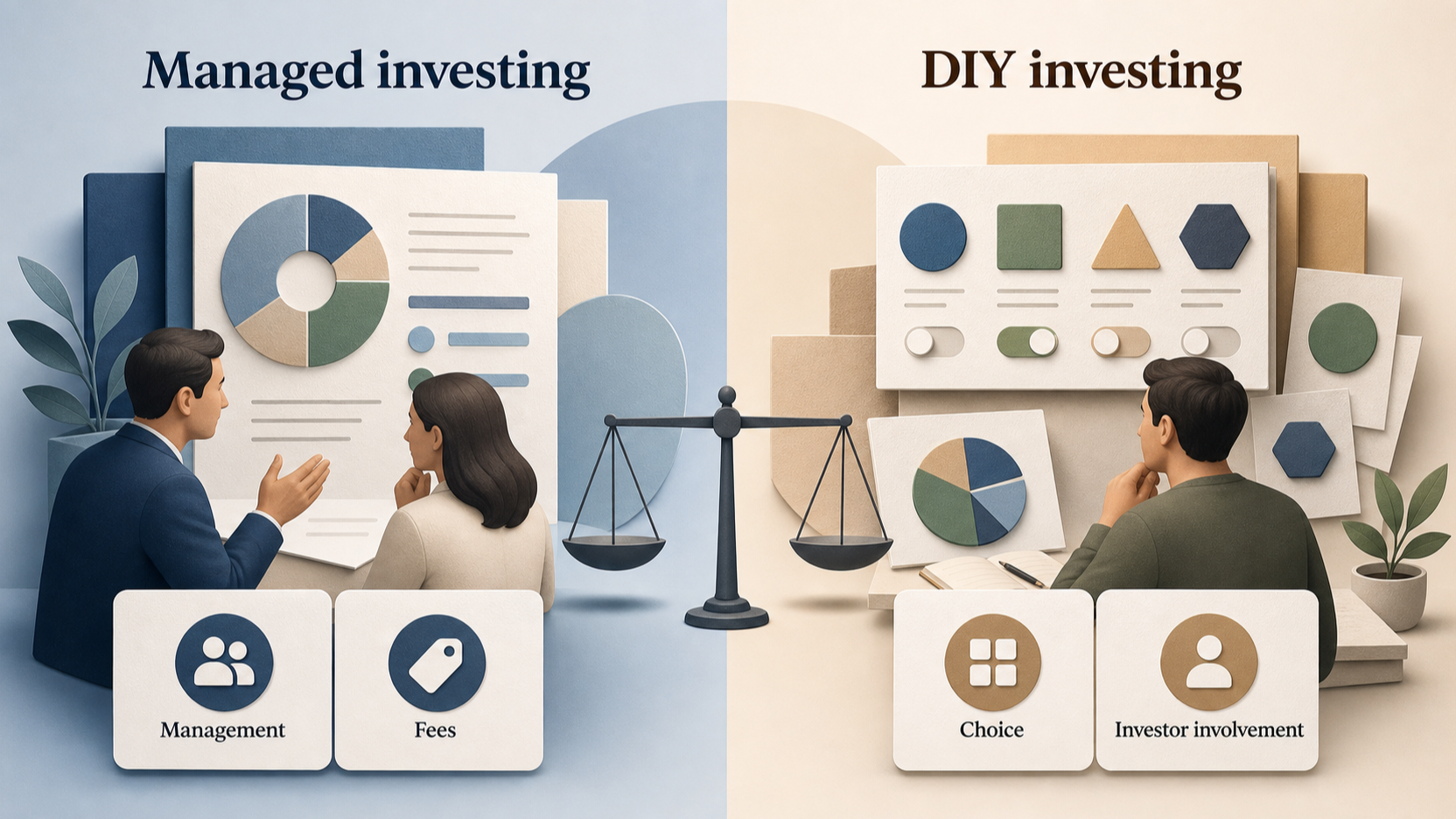 A digital wealth manager, often called a robo-adviser, sits between taking personal financial advice and investing entirely by yourself. Independent editorial guidance describes the usual journey as an online questionnaire about risk appetite, aims, time horizon and sometimes the amount to invest; the provider then allocates the investor to a portfolio with an appropriate risk level. Exact processes differ by provider.
With a managed service, the provider builds and monitors a portfolio within the selected investment style. Wealthify, for example, says its investment team builds plans aligned with a chosen style and carries out ongoing monitoring and adjustments. This can reduce the day-to-day work of selecting and rebalancing investments, but it also means less direct control over each holding.
DIY investing gives you the choice of investments. InvestEngine describes its DIY offering as a way to choose your own investments, while its managed portfolio lets its experts help. That distinction matters more than a headline “free” claim: the services involve different levels of control, work and pricing.
Fees: Compare the Full Cost, Not Just the Headline Rate
AI-generated generic editorial illustration — not a retailer product photo and does not depict the reviewed product or service. Help readers compare practical options without depicting a product.
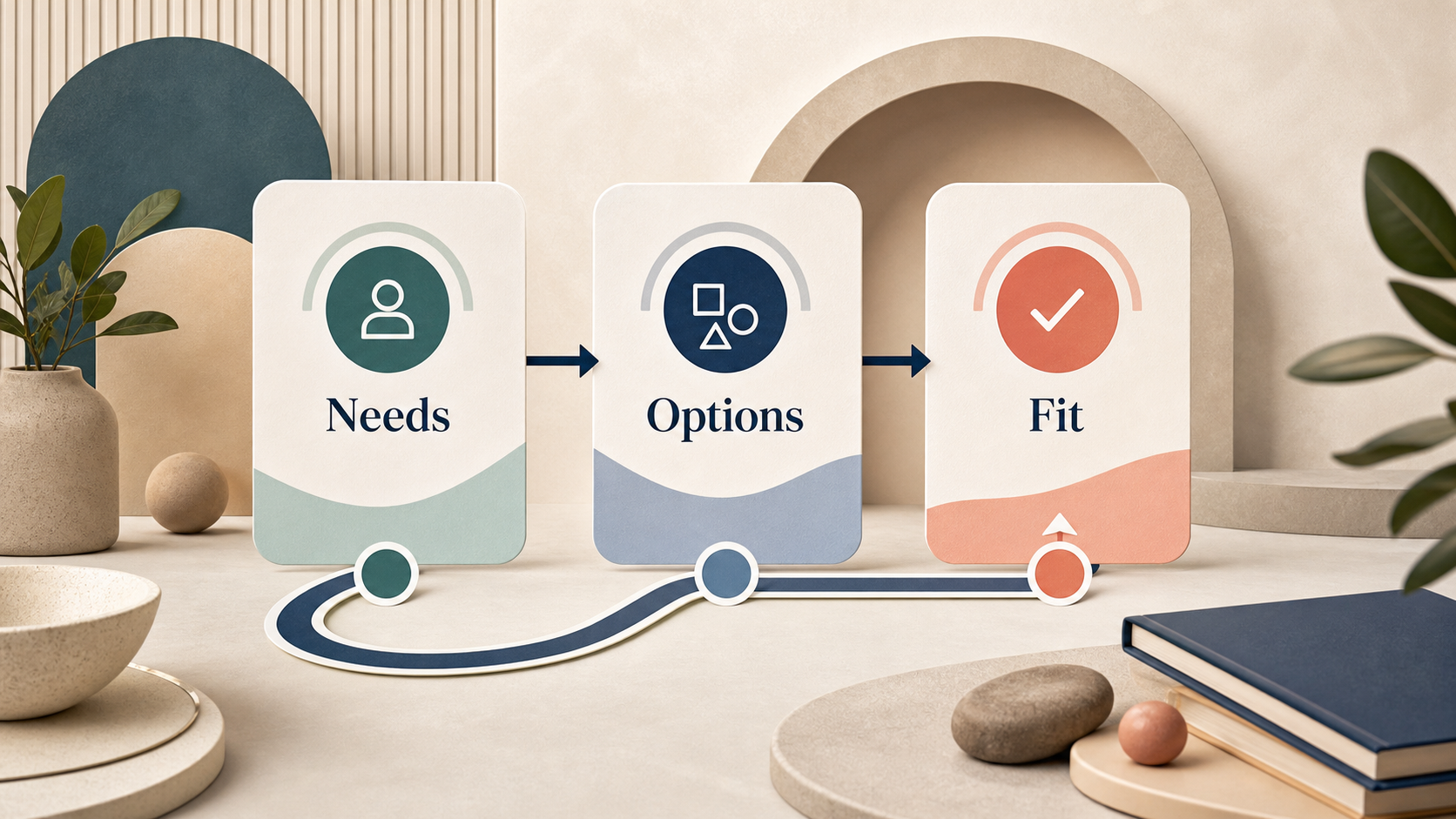 Start with the platform or management fee, then look for the costs that sit alongside it. A zero account fee is not the same as zero investment cost. InvestEngine states that its DIY service has no InvestEngine fee, but ETF costs and market spread apply. For its managed service, it states a 0.25% annual InvestEngine fee, with ETF costs and market spread also applying.
Wealthify says its Investment Plans have approximate fund and trading fees of 0.14% a year for Original Plans and 0.46% a year for Ethical Plans. It also explains that these costs vary. Its displayed fees are annual percentages charged monthly and vary with the value of investments, so they should be treated as an estimate of a charging structure rather than a promise of a fixed cash amount.
J.P. Morgan Personal Investing identifies three separate cost areas: a management fee, investment fund charges and market spread. It says fund charges include set-up and transaction costs for buying and selling underlying stocks or bonds, reflected in portfolio performance, while market spread is also reflected in the investments. This is a useful reminder to compare the full published cost stack, not only the provider’s own fee.
Before acting, inspect the fee schedule for your intended account, investment style and portfolio size. Check whether trading, transfer, withdrawal, cash, foreign-exchange or underlying-fund costs apply, and confirm how each cost is charged. Fees and terms can change.
Accounts, Funding and Tax Wrappers
The account wrapper is a separate question from whether the investing service is managed or DIY. InvestEngine lists ISA, General Account, Personal Pension (SIPP) and Business Account options, and states zero InvestEngine account fees for each. Its portfolio information says that portfolios sit inside accounts and can be either DIY or managed.
That may be useful if you need a particular wrapper, but account availability alone does not establish suitability. Eligibility, minimum deposits, transfer rules and the investments available within an account need checking in the current provider terms. A provider’s account menu may also differ between its managed and DIY services.
An ISA or SIPP can carry important tax implications, but this article is not tax advice. Providers themselves note that tax treatment depends on individual circumstances and can change. Use current provider documentation and, where needed, regulated advice before deciding how to fund or transfer an account.
Where Managed Platforms Can Be a Strong Fit
Managed digital investing can be a strong fit for someone who wants to delegate portfolio construction and ongoing monitoring rather than choose each investment. Wealthify says its team builds a plan around the chosen investment style, provides access to funds, allows online or in-app tracking, and offers live chat, telephone and email support alongside ongoing monitoring and adjustments.
J.P. Morgan Personal Investing says clients receive regular market updates, year-round access to its insights and free financial guidance. Those features may help a reader who values provider support and a managed experience, but guidance or platform support should not be assumed to be personalised financial advice.
The trade-off is control. A managed portfolio can simplify implementation after you choose a risk level and objective, but it does not remove investment risk or guarantee returns. Check how the provider describes its portfolios, risk process, fees and support before committing money.
Limits and Trade-Offs to Check Before You Invest
Published platform information is a starting point, not a permanent contract. Fund charges, market spreads, management fees, account availability and service terms can vary or change. Wealthify explicitly says fund and trading fees vary; InvestEngine states that ETF costs and market spread apply; J.P. Morgan Personal Investing separates fund and spread costs from its management fee.
Managed investing can reduce the work of running a portfolio, but it also reduces direct investment choice. DIY investing provides more choice, while requiring you to select investments and remain responsible for your decisions. Neither route makes capital safe from market loss.
Before opening an account, re-check the current fees, minimum funding requirements, eligible accounts, transfer rules, investment universe and service limits on the provider’s own site. Also consider your risk tolerance and investment time horizon. Tax treatment depends on individual circumstances and may change.
Alternatives to the Shortlisted Platform Models
If a managed platform does not offer the control you want, DIY investing through an ETF platform is an alternative: you choose the investments and take responsibility for the portfolio. InvestEngine’s DIY and managed offerings illustrate that these can be distinct routes even within one provider.
If DIY feels too demanding and a standardised managed portfolio does not address your circumstances, regulated financial advice is another route to consider. Independent editorial coverage frames robo-advisers as a middle ground between using a financial adviser and taking a DIY approach.
You can also pause rather than force a choice. Clarify your goals, time horizon, ability to tolerate losses and desired level of involvement, then compare current provider terms. None of these routes removes investment risk, and this guide does not make a personal recommendation.
Shortlist Checklist: Match Your Priorities to a Platform
Use this short checklist to turn a broad comparison into a focused review:
- You want to choose ETFs yourself: investigate a DIY model and confirm the platform fee, ETF costs and market spread. InvestEngine states no DIY InvestEngine fee, but says ETF costs and market spread apply.
- You want a provider-managed portfolio: compare the management fee, underlying fund costs, portfolio style and support. Wealthify, Moneyfarm and J.P. Morgan Personal Investing are managed-service candidates worth comparing on their current documentation.
- You need a particular wrapper: verify that your intended ISA, SIPP, general or business account is currently available and review its terms. InvestEngine lists all four account types.
- You are comparing apparently low fees: find every cost layer. J.P. Morgan Personal Investing identifies management, fund and market-spread charges, while Wealthify presents approximate varying fund and trading costs.
Treat the result as a shortlist, not a final answer. Re-check provider terms immediately before acting, because charges, accounts and product features may change.
Frequently Asked Questions
Are digital investment platforms the same as getting personal financial advice?
No. Independent editorial guidance describes robo-advisers as a middle ground between a financial adviser and DIY investing. A managed platform may use an online risk questionnaire and place you in a portfolio, but that does not automatically make it personalised financial advice. If you need advice tailored to your circumstances, consider a regulated financial adviser.
Does a platform with no account fee mean investing is free?
No. InvestEngine says it charges no account fees and no DIY InvestEngine fee, but ETF costs and market spread still apply. J.P. Morgan Personal Investing also distinguishes its management fee from fund charges and market spread. Always inspect the full published cost stack.
What costs should I check alongside a management or platform fee?
Check underlying fund or ETF costs, trading or transaction charges, market spread and any account-specific charges. Wealthify reports approximate fund and trading costs that vary by plan, while J.P. Morgan Personal Investing lists management, fund and market-spread charges separately. Confirm the current fee schedule for your chosen account and service.
Should I choose a managed portfolio or DIY ETF investing?
Choose based on the level of control and responsibility you want. Managed investing can provide portfolio construction and ongoing monitoring; DIY investing lets you choose investments yourself. Both involve risk, and neither is a personal recommendation. Verify current terms before investing.
Compare current platform deals →
Sources
Related reading
- J.P. Morgan Personal Investing vs Moneyfarm: fees, portfolios, accounts and support compared
- J.P. Morgan Personal Investing review: strengths, limits, fees and alternatives
- How to choose a managed investment platform: fees, risk, account wrappers and support
- How to compare investment platform fees: management, fund, spread and transfer costs
Editorial information: About our editorial team · Read our editorial policy · Read our affiliate disclosure.