Choosing between J.P. Morgan Personal Investing and Moneyfarm is less about finding a universal winner and more about checking which documented service, account wrapper and cost structure match your own needs. Both sit in the managed-investing market, where capital is at risk and product terms can change.
Verdict: Which Platform Fits Different Priorities?
J.P. Morgan Personal Investing may be a useful starting point for someone who values a published breakdown of management, fund and market-spread costs, the ability to check charges in an app, and the stated option to withdraw without a fee. Its FAQ also says there is no minimum investment period, although it presents investing as a long-term activity and suggests considering a minimum three-year timeframe.
Moneyfarm may appeal to someone specifically looking for a managed Stocks & Shares ISA whose investments are managed and monitored by investment experts. Its pricing page emphasises simple, transparent pricing and says there are no hidden fees, but that presentation is not a substitute for checking every charge that applies to the portfolio and account you intend to open.
Neither proposition answers every personal question. Compare the current wrapper terms, full charges, portfolio approach, funding and transfer rules, and the level of help you need before acting. This article is general information, not personalised investment, tax or legal advice.
What J.P. Morgan Personal Investing and Moneyfarm Offer
These services can be understood as digital wealth-management options rather than pure do-it-yourself dealing accounts. Digital wealth managers, often called robo-advisers, are commonly described as a middle ground between choosing and monitoring investments yourself and paying for traditional financial advice. They typically use information about goals, timeframe and risk appetite to place investors in a managed portfolio.
Moneyfarm documents a Managed Stocks & Shares ISA in which its investment experts manage and monitor investments. J.P. Morgan Personal Investing documents a managed-investing service with fees that vary by pot value and investment style, alongside account options addressed in its FAQ, including a Stocks & Shares ISA.
The practical comparison is therefore not simply brand versus brand. It is about the wrapper you need, how a portfolio is managed, what the full cost picture is, whether funding and withdrawals work for you, and whether the service boundary meets your need for support. A managed digital service is not automatically the same thing as receiving a personal recommendation from a regulated financial adviser.
Side-by-Side Comparison: Accounts, Fees and Service Features
| Decision factor | J.P. Morgan Personal Investing | Moneyfarm | What to check before acting |
|---|---|---|---|
| Managed-investing proposition | States that it manages investments, with fees affected by pot value and investment style. | Offers a Managed Stocks & Shares ISA managed and monitored by investment experts. | Review the current investment style, portfolio options and risk process. |
| ISA availability | Its FAQ includes whether it offers a Stocks & Shares ISA. | Its ISA page documents a Managed Stocks & Shares ISA. | Confirm eligibility, current subscription rules and any transfer process. |
| Fee presentation | States that clients see separate management, investment-fund and market-spread charges. | States that its pricing is simple and transparent, with no hidden fees. | Obtain the current total charge illustration and identify all portfolio-level costs. |
| Withdrawals and time horizon | Says there is no minimum investment period and withdrawals are allowed; it suggests a three-year minimum timeframe. | Not established by the supplied evidence. | Check current withdrawal, settlement and wrapper-specific terms. |
| Help and information | States that clients can access market insights and free financial guidance. | Not established by the supplied evidence. | Confirm whether the help offered is guidance or regulated personal advice. |
J.P. Morgan Personal Investing says management fees are taken automatically, while fund and market-spread costs are reflected in investments. That distinction matters: a headline management fee is not necessarily the full economic cost of investing.
Its FAQ also warns that withdrawing from an ISA does not automatically restore the withdrawn part of the annual allowance. Do not assume that a withdrawal is tax-neutral or that replacement contributions will be permitted on the same basis; check the current ISA terms and your circumstances.
Moneyfarm’s stated focus on transparent pricing is useful as a starting point, but the supplied evidence does not provide a like-for-like numerical charge comparison. Readers should use each provider’s current pricing and terms pages to compare the actual account and portfolio they are considering.
J.P. Morgan Personal Investing: Potential Strengths
One potential strength is the clarity of its documented cost categories. J.P. Morgan Personal Investing says clients can see three separate charges: its management fee, investment-fund charges, and market spread. It also says the management fee depends on pot value and investment style, and that a fee breakdown is available in the dashboard. For a reader who wants to see how different types of cost fit together, that may be more useful than considering a single headline percentage.
Flexibility may be another consideration. Its FAQ says there is no minimum investment period, that investors can withdraw whenever they like, and that it does not charge to withdraw money. However, the same source describes the service as designed for long-term investors and suggests a minimum timeframe of three years. Withdrawal rules can also differ for Junior ISAs, Lifetime ISAs and personal pensions.
The provider says it publishes portfolio performance after fees and updates figures quarterly. It also explains that it combines orders across clients and chooses ETFs with smaller spreads in an effort to keep market-spread costs down. These are documented features, not evidence that a particular portfolio will suit every investor or outperform alternatives. Past-performance material should be read with its stated limitations.
Moneyfarm: Potential Strengths
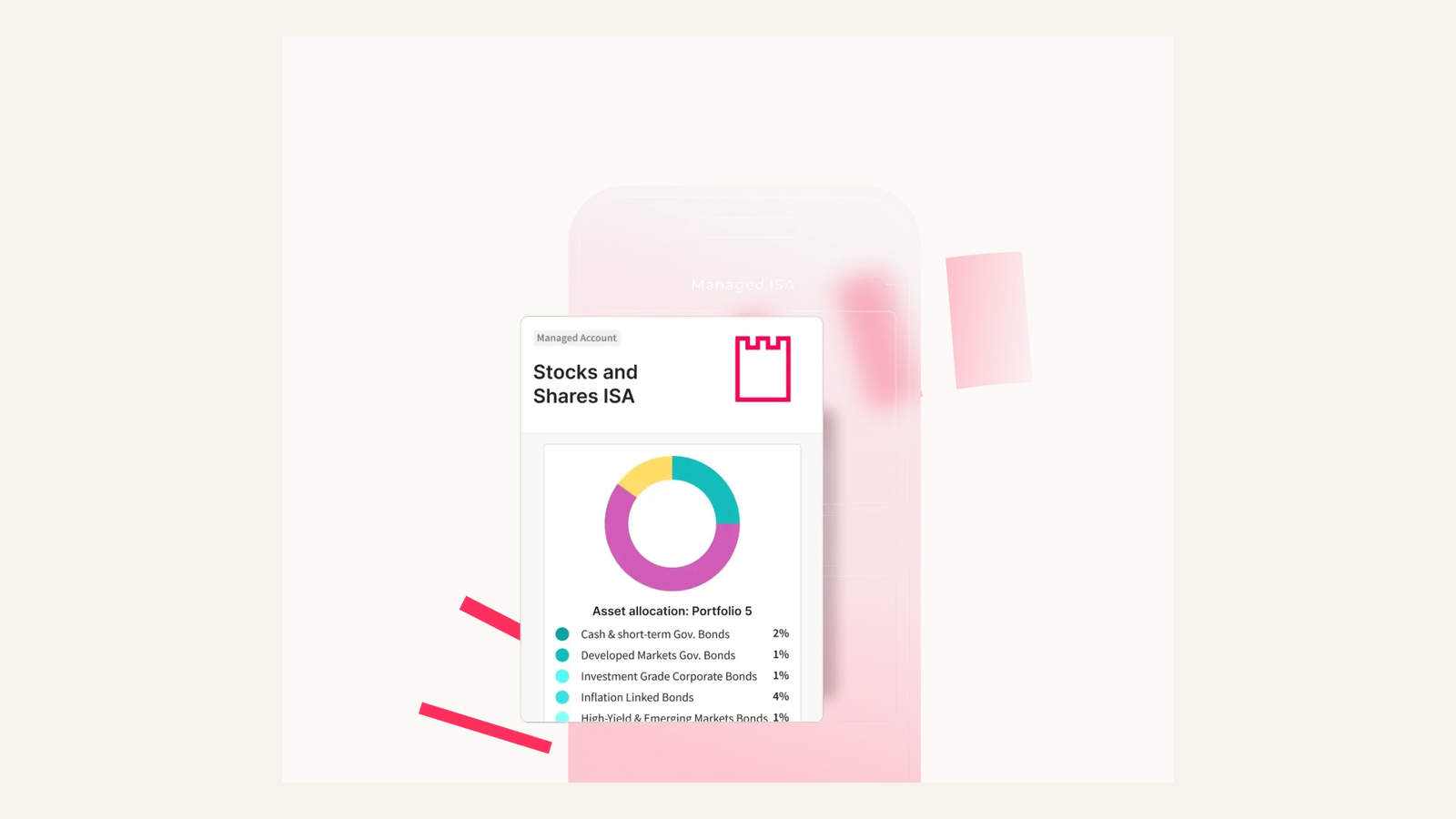
Moneyfarm’s clearest documented proposition in the supplied evidence is its Managed Stocks & Shares ISA. It says investment experts manage and monitor investments, presenting the service as a way for a customer to use a managed ISA rather than selecting and maintaining investments alone. For someone whose priority is a managed Stocks & Shares ISA, that is a concrete feature to investigate further.
Moneyfarm also states that its pricing is simple and transparent, and that it has no hidden fees. That can make its pricing page a useful place to begin a due-diligence review. It should not, however, be treated as a complete personalised cost comparison. Ask for or calculate the current costs associated with the intended portfolio, including any investment-level charges and dealing-related effects where applicable.
The supplied evidence does not establish exact Moneyfarm charges, minimum deposits, transfer timings, withdrawal terms, available portfolios or the scope of customer support. Those are not safe points to infer from a general pricing statement. Verify them directly in the provider’s current documentation before opening or transferring an account.
Limitations, Risks and Checks Before You Choose
Investing involves risk: the value of investments can fall as well as rise, and you may get back less than you invest. A managed portfolio reduces some of the work of selecting and monitoring investments, but it does not remove market risk or make an outcome certain. Past performance is not a prediction of future returns.
Start with time horizon. J.P. Morgan Personal Investing says its offering is designed for long-term investors and suggests considering at least three years, even though it states there is no minimum investment period. A short-term need for the money can change whether an investment account is appropriate at all.
Next, look beyond a management charge. J.P. Morgan Personal Investing identifies fund charges and market spread alongside its management fee. Moneyfarm describes its pricing as simple and transparent. Current terms, charges and eligibility rules may change.
Wrapper rules also matter. The supplied J.P. Morgan FAQ says ISA withdrawals use part of the annual allowance and notes that some wrappers have withdrawal restrictions. If you are transferring an ISA or need access to cash on a particular timetable, verify the current operational terms before starting.
Finally, be precise about the service boundary. Digital wealth management can be a middle ground between DIY investing and traditional advice, but general guidance is not automatically a personal recommendation. If you need a decision tailored to your objectives, tax position, debts, dependants or risk capacity, consider regulated financial advice.
Alternatives to Both Platforms
A comparison between two managed services should not become a false binary. A DIY investment platform can be suitable for someone who wants to choose investments and take responsibility for monitoring, rebalancing and trading decisions. That route can offer control, but it also requires time, knowledge and comfort with the consequences of those decisions.
At the other end, a regulated financial adviser may be worth considering when your circumstances are complex or when you need a personalised recommendation. Digital wealth managers are generally positioned between those two routes: they can reduce some portfolio-selection and monitoring work without necessarily providing the same level of individual advice.
A third option is to wait. If your objectives, investment timeframe or tolerance for loss are unclear, opening a managed account need not be the immediate next step. Clarifying those basics first can make later comparisons more meaningful. None of these routes guarantees a better outcome; choose only after checking current product terms and the limits of the service.
A Practical Checklist for Choosing
AI-generated generic editorial illustration — not a retailer product photo and does not depict the reviewed product or service. Help readers interpret the comparison and identify the checks that matter before choosing a platform.

Use this sequence to turn a broad comparison into a documented decision:
- Define the wrapper you need, such as a Stocks & Shares ISA, and check current eligibility and transfer rules.
- Request or review the full current cost picture. Separate management fees from fund charges, spreads and any other costs that can affect returns.
- Check minimum funding, transfer procedures, withdrawal arrangements and wrapper-specific restrictions. Do not fill gaps with assumptions.
- Read how the portfolio is selected, monitored and matched to risk. A managed label does not remove the need to understand investment risk and timeframe.
- Confirm the level of support available and whether it is general financial guidance or regulated personal advice.
- Recheck provider documents immediately before acting, because pricing, eligibility, account terms and product availability can change.
This process will not produce a universal answer, but it can help you compare the same decision factors across both services and any alternative you are considering.
Frequently Asked Questions
Do J.P. Morgan Personal Investing and Moneyfarm offer a stocks and shares ISA?
Yes, based on the supplied evidence. Moneyfarm documents a Managed Stocks & Shares ISA. J.P. Morgan Personal Investing’s FAQ includes whether it offers a Stocks & Shares ISA. Check each provider’s current page for eligibility, subscription, transfer and product terms before opening an account.
What charges should I check beyond a management fee?
J.P. Morgan Personal Investing says clients should see separate management, investment-fund and market-spread charges. It says fund and market-spread costs are reflected in the investments. Moneyfarm describes its pricing as simple and transparent. Check the current pricing information for the account and portfolio you are considering.
Can I withdraw money from a managed investment account whenever I want?
J.P. Morgan Personal Investing says there is no minimum investment period and that investors can withdraw whenever they like, while noting restrictions for certain wrappers and an ISA-allowance consequence of withdrawing. The supplied evidence does not establish Moneyfarm’s withdrawal terms. In either case, check current provider terms and allow for processing time before relying on money being available.
Is a digital wealth manager the same as receiving personal financial advice?
Not necessarily. Digital wealth managers are commonly described as a middle ground between DIY investing and traditional advice, using an online process to match users with managed portfolios. The level of help can vary. Confirm whether a service provides general guidance or regulated personal advice, and seek regulated advice if you need a recommendation tailored to your circumstances.
Compare current platform deals →
Sources
Related reading
- Best digital investment platforms in the UK: an evidence-led comparison of fees, accounts and service models
- J.P. Morgan Personal Investing review: strengths, limits, fees and alternatives
- Moneyfarm review: who the platform may suit and where its limits matter
- How to choose a managed investment platform: fees, risk, account wrappers and support
Editorial information: About our editorial team · Read our editorial policy · Read our affiliate disclosure.