Choosing between a managed and a DIY investment platform is mainly a choice about who does the investing work. A managed service normally builds and maintains a portfolio around the information you provide, such as your objectives, time horizon and attitude to risk. A DIY platform gives you the tools to choose, buy and oversee investments yourself.
Neither model removes investment risk, and neither is automatically right for every person. This guide is general information for UK readers, not personal financial, tax or legal advice. Use provider documents to check the exact service, account eligibility, charges and restrictions before opening an account.
Managed and DIY investment platforms at a glance
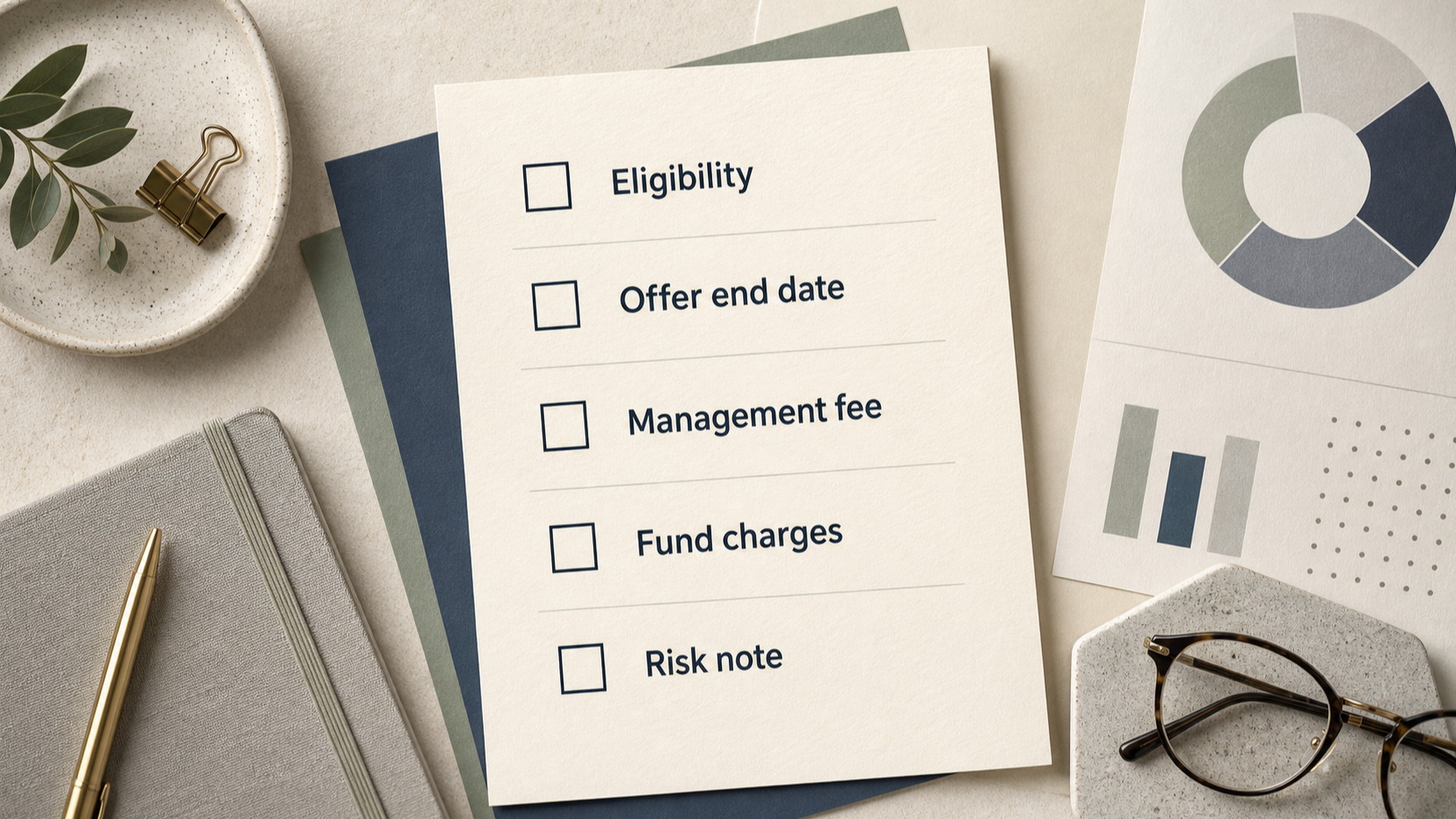
AI-generated generic editorial illustration — not a retailer product photo and does not depict the reviewed product or service. Clarify the core differences in decision ownership, portfolio construction and ongoing responsibility before readers assess individual platforms.
 A managed digital investment service—sometimes called a robo-adviser or digital wealth manager—sits between using a financial adviser and taking a fully DIY approach. The service commonly asks questions about risk, goals, intended investment amount and time frame, then places a customer into one of a number of portfolios. The provider, rather than the customer, carries out the portfolio selection and routine management within that service model. MoneyWeek
With a DIY platform, you remain responsible for selecting the investments you hold and for deciding when to change them. The range can include funds, ETFs, shares or other instruments, depending on the platform. Moneyfarm describes its DIY share-investing service as a way for customers to build a portfolio themselves with guidance and market insights; that illustrates the important distinction between access to information and delegation of investment decisions. Moneyfarm
The useful comparison is therefore not simply “automated versus manual”. It is about decision ownership, portfolio construction, ongoing administration and the costs attached to each service layer. Start by asking how much of those tasks you want to retain.
Editorial comparison visual: A neutral illustration contrasting a UK investor using a managed portfolio with one building a DIY ETF portfolio, labelled around decision-making, portfolio building, rebalancing and fees.
Who makes the investment decisions?
In a managed model, you usually provide inputs rather than choose every holding. A digital wealth manager may use an online questionnaire to understand your risk appetite and may also ask about your target, time frame and intended contribution. It can then allocate you to a portfolio with a particular risk level. MoneyWeek
That is delegation of portfolio implementation within the provider’s stated process. It is not the same thing as handing over all responsibility for your wider finances. You still need to understand what the service does, what it does not do, and whether its available accounts, investment approach and risk options remain relevant to your circumstances.
In DIY investing, you decide the portfolio’s building blocks. You choose which investments to research, whether they fit your intended allocation, when to buy or sell, and how to respond when your own goals or market conditions change. A platform may provide research, education or market commentary, but those resources do not by themselves transfer the customer’s decision-making role to the platform. Moneyfarm
A practical question is: would you rather select investments and make portfolio changes yourself, or use a risk-based portfolio service and accept its stated approach and boundaries?
Portfolio construction and investment choice
Portfolio construction means deciding how money is split across investments and then implementing those choices. Under a managed service, the provider’s process generally links the customer’s answers to an available portfolio. MoneyWeek describes robo-advisers as online platforms that tailor a portfolio to goals and risk appetite, then allocate customers to portfolios with differing risk and potential-return profiles. MoneyWeek
This can reduce the number of day-to-day investment choices you need to make. However, it also means your choices are constrained by the portfolios, investment universe and service rules the provider offers. Before comparing managed services, check how the risk assessment works, which portfolios are available, whether you can alter your selection, and what happens if your circumstances change.
A DIY service gives greater direct choice because you construct the holdings yourself. That can be useful if you want to determine asset allocation, select particular ETFs or funds, or implement your own investment process. It also creates a larger operational task: you need a method for choosing investments, deciding their relative weights and checking whether the portfolio still reflects your plan.
More choice is not a performance advantage in itself, and less choice is not a guarantee of simplicity in every respect. The relevant trade-off is whether the available level of choice matches the work and responsibility you are prepared to take on.
Rebalancing, monitoring and ongoing responsibility
The supplied editorial source describes robo-advisers as an automated online investment platform that tailors a portfolio to reflect a customer’s goals and risk appetite, rather than the customer choosing funds and personally keeping an eye on the portfolio. MoneyWeek
Comparing fees without oversimplifying cost
 A headline platform fee is only one part of a cost comparison. Read the provider’s current tariff and identify the charges relevant to the account and service you would actually use. Depending on the platform, the comparison may involve account or platform charges, a managed-service or management charge, dealing commission, fund or ETF costs, market spreads, foreign-exchange charges, and account or tax considerations.
InvestEngine’s costs page provides a clear example of why the service type matters. It lists ISA, General Account, Personal Pension (SIPP) and Business Account options, and states zero InvestEngine fees for its DIY option while noting that ETF costs and market spread apply. On the same page, it lists a 0.25% annual InvestEngine fee for its Managed option, again with ETF costs and market spread applying. InvestEngine costs
That is a provider-specific disclosure, not a universal price benchmark. It does show why two accounts on the same platform can have different cost structures: the DIY customer may face underlying investment costs and spreads without a provider management fee, while the managed customer may face those costs plus the stated service fee.
Similarly, a provider’s claim that pricing is simple or transparent is a reason to inspect its documents, not a substitute for doing so. Moneyfarm says it aims to present transparent pricing, but customers should still check the applicable schedule for the product and account under consideration. Moneyfarm pricing
For a like-for-like comparison, note the account type, investment service, expected dealing pattern, investment products and any additional activity that could affect charges. Do not compare one advertised percentage with another until you have checked what each figure includes and excludes.
Provider range reference: InvestEngine’s published account range includes ISA, General Account and Personal Pension (SIPP) accounts. Its costs page distinguishes “Do it yourself” from “Managed” portfolios; verify the live tariff and eligibility before relying on any figure.
The control, convenience and flexibility trade-offs
DIY investing offers direct control. You can decide which investments to hold and how to construct the portfolio, subject to the platform’s available range and account rules. That flexibility comes with time, research and behavioural demands: someone must set the approach, make changes and live with the consequences of those choices.
Managed investing can offer a more structured process for people who prefer to delegate portfolio construction within a risk-based framework. Digital wealth managers may use questionnaire responses and allocate customers to available portfolios rather than require them to select their own funds. MoneyWeek
The corresponding limitation is reduced day-to-day control. You may not be able to choose every holding or reproduce a personal investment approach, because the service is designed around its own portfolio range and rules. Fees can also differ between DIY and managed options. For example, InvestEngine’s published page distinguishes a zero InvestEngine fee for DIY from a 0.25% annual InvestEngine fee for Managed, while stating that ETF costs and market spreads apply to both options. InvestEngine costs
The better model is the one whose decision boundary you understand. Convenience can be valuable if it reduces work you do not want to perform; control can be valuable if you are willing to take responsibility for using it.
A practical checklist for choosing a platform model
Before narrowing a shortlist, work through the same questions for every provider:
- Who selects the investments and makes portfolio changes?
- What risk questions or portfolio choices does the service use?
- Which investments, portfolios and account types are available?
- Is an ISA, General Account or Personal Pension (SIPP) available where relevant, and what are the account conditions?
- Are there account minimums, withdrawal restrictions or service limits?
- What are the platform, management, dealing, investment-product, spread and foreign-exchange costs?
- Who handles routine rebalancing, and what review remains your responsibility?
- Which documents explain the product’s risks, charges and eligibility?
Provider pages can be a useful starting point for this checklist. For example, InvestEngine publishes separate account and portfolio information, including a distinction between DIY and Managed options. InvestEngine costs
If your choice depends on circumstances that a general guide cannot assess—such as complex tax planning, pension decisions, debt, protection needs or a major change in financial position—consider whether regulated financial advice is appropriate. General platform information is not a substitute for advice tailored to you.
Next step: Compare the provider documents for the exact account and service you are considering before making a shortlist.
Frequently Asked Questions
Is a managed investment platform the same as receiving personal financial advice?
Not necessarily. A managed digital service may gather information about risk, goals, time frame and investment amount, then allocate a customer to one of its portfolios. That describes a portfolio-service process; it does not establish that the customer has received personal financial advice covering their wider circumstances. Check the provider’s terms and service scope. MoneyWeek
Can a DIY platform be cheaper than a managed platform?
It can have a different fee structure, but the answer depends on the provider, account, investments and activity. InvestEngine, for example, states a zero InvestEngine fee for DIY and a 0.25% annual InvestEngine fee for Managed, while saying ETF costs and market spreads apply to both. This does not determine the total cost of another provider or another service. InvestEngine costs
Who is responsible for rebalancing a DIY portfolio?
In a DIY model, the customer generally sets the portfolio and decides when to change it. That includes organising any monitoring and rebalancing process. A managed service may take routine portfolio work away from the customer, but you should verify the provider’s exact process and continue reviewing whether the service remains appropriate. MoneyWeek
What costs should I check beyond the advertised platform fee?
Check the full published tariff for the account and service you would use. Relevant items can include a managed-service fee, dealing commission, underlying fund or ETF costs, market spreads and foreign-exchange charges. InvestEngine’s page, for instance, explicitly notes ETF costs and market spread alongside both its DIY and Managed options. InvestEngine costs
Related reading
- Best digital investment platforms in the UK: an evidence-led comparison of fees, accounts and service models
- J.P. Morgan Personal Investing review: strengths, limits, fees and alternatives
- InvestEngine review: DIY, managed portfolios, fees and trade-offs
- How to choose a managed investment platform: fees, risk, account wrappers and support
Editorial information: About our editorial team · Read our editorial policy · Read our affiliate disclosure.